Why I Am Leaving Silicon Valley
The rent is too damn high.
Every couple years the lease runs out, the rent goes up, and I migrate further south to cheaper pastures. It got to the point where I was living closer to the Central Valley than the Bay, so I figured I might as well get the jack together and have a little house and a couple of acres. I’d have a big vegetable patch and a rabbit hutch and chickens, and when it rains in the winter, we’ll say the hell with goin’ to work, and we’ll build up a fire in the stove and set around it an’ listen to the rain comin’ down on the roof AN’ LIVE OFF THE FATTA THE LAN’!

I went to public school at the height of the Environmental movement; we learned how to build birdhouses and sprout seeds, set up compost piles and sort the recycling and all that other Green and Sustainable stuff. Figured I’d be living off the grid no problem.
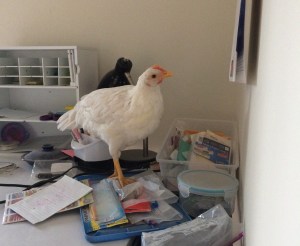
Six months in — the vegetables have been decimated by deer, the chickens won’t stop laying in the weeds, and the rabbits were ready for the spit four months ago but I just can’t do the deed. If it weren’t for the fact that I live 20 minutes from a Safeway, I’d have starved.

This is a good thread and I recommend reading the whole thing:
Paying attention to local environment is a huge part of sustainability, and yet sustainability movements don't always do so well at that.
We can also fall short by failing to recognize that for dry regions, the bottleneck in productivity isn't land. It's water.
— Dr. Sarah Taber (@SarahTaber_bww) June 12, 2018
California is still recovering from a six-year drought emergency; it’s ridiculous that I use municipal drinking water to irrigate lettuce and tomatoes. The only plants that grow well in this climate are dry scrubby brush. Humans can’t digest brush, but ruminants can. The Greenest thing to do here is to eat the deer, then buy vegetables imported from wetter climes.

Turns out sustainable living — the comfortable kind, with iPhones and electric scooters — requires a lot of outsourcing. Aside from food production, there’s the fact that I live in a house full of stuff. Coastal citydwellers like to talk about their walkable streets and energy-efficient density, but all that densely packed shit has to be manufactured somewhere. My new solar panels were made in Shanghai, so I can virtuously signal carbon neutrality while criticizing China’s contribution to planetary destruction.
Last week, WeWork banned meat from company events and expense accounts in order to reduce their environmental impact and score points with environmental justice peeps. But being headquartered in New York City, there isn’t enough space to grow crops for their 2,000 employees. They would have to truck in produce from afar at a huge carbon cost. To minimize environmental impact, WeWork employees should make use of Manhattan’s locally sourced quarry. In other words, WeWorkers should simply Eat the Rich.
In many ways, viewing low/no-meat diets as the One True Sustainable Way is very much a vestige of colonialism. It found a farmway that works really well in NW Europe, assumed it must be universal, and tries to apply it to places where it absolutely does not pencil out.
— Dr. Sarah Taber (@SarahTaber_bww) June 12, 2018


Or eat roadkill. The Joy of Cooking was first published during the Great Depression, which is why it has a whole chapter on cleaning and dressing rodents.